Gravel driveways
A natural, elegant finish that suits period and country homes, laid properly so it stays put.
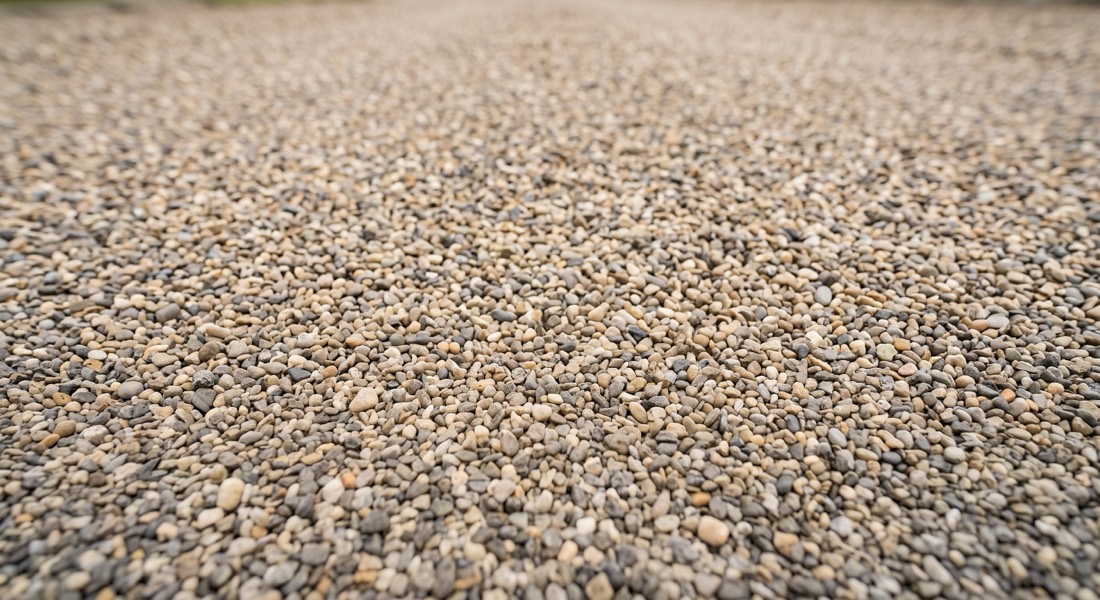
A gravel driveway gives you a natural, characterful finish that suits period homes, country properties, and long entrances. It is one of the most cost-effective ways to smarten up the front of a house, offering a timeless aesthetic that naturally deters intruders while draining freely to manage surface water.
The true quality of a lasting driveway lies entirely beneath the surface. We construct a heavy-duty, fully compacted sub-base engineered to handle vehicle weight without sagging, rutting, or sinking into the ground over time. Where required by local planning regulations or drainage conditions, we install fully permeable sub-base layers using clean-crushed aggregates, allowing surface water to soak straight through into the ground and ensuring complete SUDS compliance.
To keep your driveway looking immaculate with minimal effort, we can also incorporate cellular plastic gravel grids. Installed directly over the geotextile membrane and sub-base, these high-strength honeycomb grids interlock to lock the gravel firmly in place. This prevents stones from migrating onto footpaths or lawns, eliminates deep rutting under vehicle tyres, and creates a firm, stable surface that is easy to walk on and wheel pushchairs or bins across.
- A natural look that suits older and rural homes
- Free draining, which helps with standing water
- Cost-effective for larger areas
- Laid over a membrane and firm sub-base with gravel grids and defined edges so the gravel stays where it should
Gravel driveway FAQs
How much does a gravel driveway cost?
Do gravel driveways need planning permission?
How do you stop gravel spreading or sinking into mud?
Is a gravel driveway good for Sussex weather and drainage?
How much maintenance does a gravel driveway need?
Get your gravel driveway quote
Check your postcode and tell us about your driveway. We will be in touch within 24 hours.
Prefer to talk first? Call 07563 687919.